
Booking Tenant Placement in Plantation: What to Know
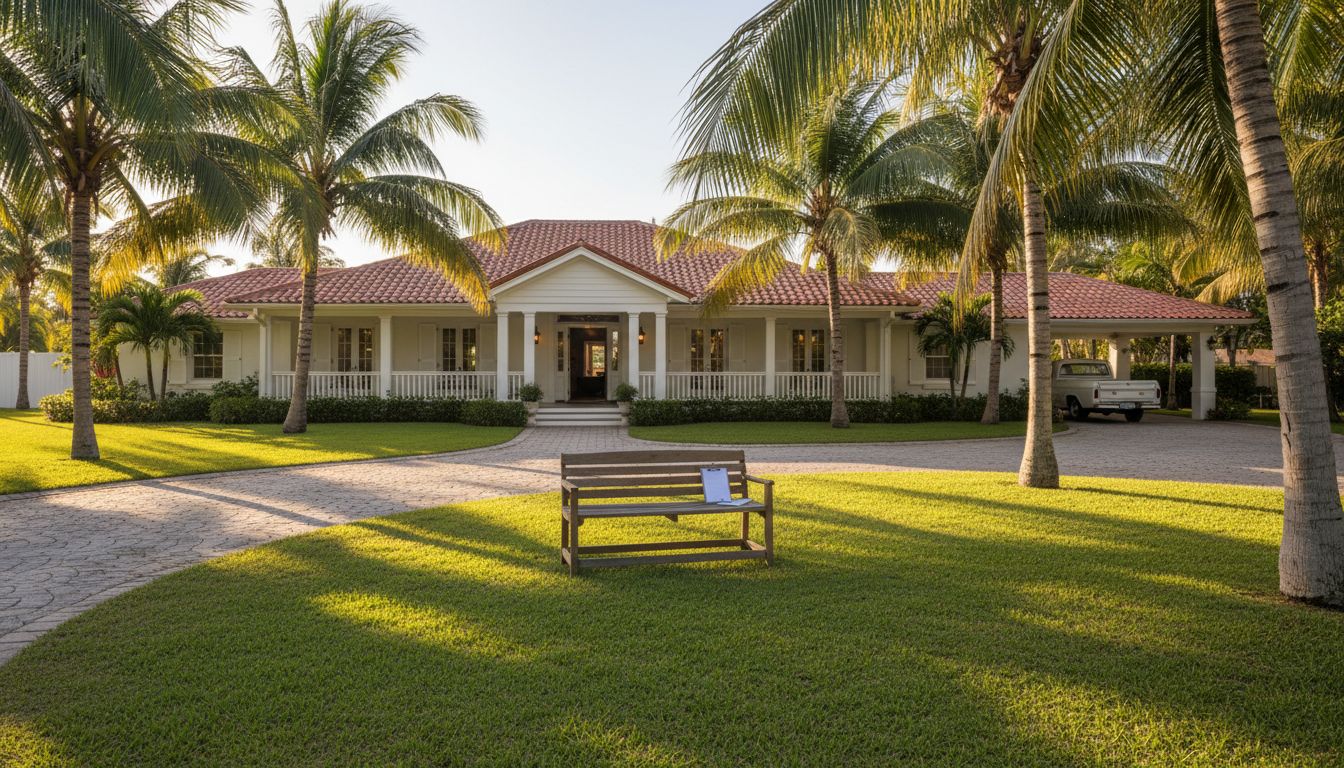
Before booking property leasing and tenant placement in Plantation, confirm exactly what the service covers: pricing and marketing the unit, showings, written screening criteria applied to every applicant, lease preparation and move-in. Ask how fees are quoted, whether ongoing property management is separate, and who handles communication once a tenant is placed.
- Placement ends at a signed lease and move-in; property management is the separate, ongoing service - decide which one you are buying.
- Get the fee structure in writing: leasing fee, monthly management, renewal terms, and what advertising and maintenance coordination include.
- Ask to see the written screening criteria applied equally to every applicant, as fair housing law requires.
- Association or condo approval, insurance, and unit condition are the usual reasons a Plantation lease takes longer than expected.
- Dgani Group works across Plantation and neighboring Davie, Cooper City, Fort Lauderdale and Hollywood, so pricing is set against real local comparables.
What tenant placement actually covers
Tenant placement is the work of getting a vacant property leased: setting a rent figure against comparable listings, preparing and photographing the home, publishing the listing, answering inquiries, running showings, screening applicants, and getting a signed lease with deposits collected.
What it does not cover is everything that happens afterward. Someone still has to collect rent, take the 9pm water heater call, handle renewals, and inspect at move-out. Settle who that is before you sign anything.
Placement only, or placement plus management?
This is the biggest decision to make up front, because it changes the scope of work, the fee structure, and how much of your own time the property will take. Dgani Group offers both property leasing and tenant placement and ongoing property management, so you can choose deliberately instead of defaulting.
- Placement only - sensible if you live close by, have reliable contractors, and are comfortable fielding tenant calls and tracking rent yourself.
- Placement plus management - sensible if you own more than one unit, travel, or simply do not want to be the first call for repairs.
- Out-of-area owners - if you are not in South Florida, assume you need management; a signed lease does not run itself from another time zone.
How leasing fees are usually quoted
Ask for your terms in writing for your specific property rather than working from a number you saw elsewhere. Across the South Florida rental market generally, owners most often see placement priced as a percentage of one month's rent or a flat leasing fee, with ongoing management billed monthly as a percentage of rent actually collected.
Whatever the structure, pin down these points before the listing goes live:
- When the leasing fee is earned and payable - at lease signing, or at move-in and first rent?
- Whether photography, listing syndication, and signage are included.
- The renewal fee, if any, when the tenant stays a second year.
- How maintenance is coordinated and billed, and what spending threshold needs your approval.
- What happens if a tenant breaks the lease early, and what the re-leasing terms are.
Screening: ask to see the written criteria
A sound process applies the same written standards to every applicant - verified income, credit history, rental payment history, eviction history, and identity verification - consistently and on the record. Fair housing law requires equal treatment of every inquiry and application, and a documented, uniform process is how an owner demonstrates that.
Request those criteria in writing and make sure they are disclosed in the listing. Be wary of any conversation that sorts applicants by who they are rather than by whether they meet the stated, published standards. That is a legal exposure you own as the landlord, not just a policy preference.
Quick reference: the leasing timeline, stage by stage
| Stage | What happens | What to confirm up front |
|---|---|---|
| Pricing and prep | Rent set against active and recently leased comparables; repairs, cleaning and photos completed | Who pays for turnover work, and what condition standard the listing promises |
| Marketing and showings | Listing published and syndicated; inquiries answered and showings scheduled | Response time to inquiries, showing method, and how feedback reaches you |
| Applications and screening | Published criteria applied to every applicant; income, credit, rental and eviction history verified | Criteria in writing, who pays application costs, and how decisions are documented |
| Lease and association approval | Lease prepared and signed; HOA or condo application submitted where one applies | Whether your community requires board approval, and how long it typically takes |
| Move-in and handoff | Deposits and first rent collected, condition documented, keys delivered | Who the tenant contacts from day one, and whether management continues |
What usually slows a Plantation lease down
Most delays are predictable, and most are fixable before the listing goes live rather than after.
- Association approval. Many Plantation neighborhoods and condo communities run their own tenant application and approval step, which adds time after the lease is signed.
- Insurance and inspection items. Roof age, electrical panels and water heaters can surface at the worst moment.
- Pricing above the comparables. A rent set on hope rather than on what similar homes actually leased for is the most common cause of a long vacancy.
- Condition and photos. Renters in Broward scroll fast; a dark, cluttered photo set costs you showings.
- An unsettled pet policy. Decide it before marketing, not mid-application.
Why the local footprint matters here
Plantation is not one rental market. Pricing a home near Central Park reads differently than a townhome off Jacaranda or a condo closer to the Fort Lauderdale line, and a renter weighing your listing is usually also weighing Davie, Cooper City and Sunrise.
Dgani Group works across Plantation, Davie, Cooper City, Fort Lauderdale, Hollywood and the wider Broward and Miami-Dade corridor, which is what makes a rent recommendation a comparables conversation rather than a guess. Ask any leasing partner to show you the comparables behind their number.
Questions to ask before you sign
- What are the comparables behind this rent recommendation?
- Are your screening criteria written down, and will they appear in the listing?
- Exactly when is the leasing fee earned, and what does it include?
- Does my community require association approval, and have you handled it before?
- After move-in, who does the tenant call - you or me?
- What does the agreement say about early termination and re-leasing?
Talk it through before you list
The owners who have the smoothest leases are the ones who settled scope, fees, screening and the after-move-in handoff before the first photo was taken. That is a short conversation, and it is worth having first.
Bring your Plantation property to Dgani Group at dganigroup.com and we will walk through the comparables, the realistic timeline, and whether placement alone or placement plus ongoing management fits how you actually want to own this property.