
How to Know You Need Commercial Real Estate Help
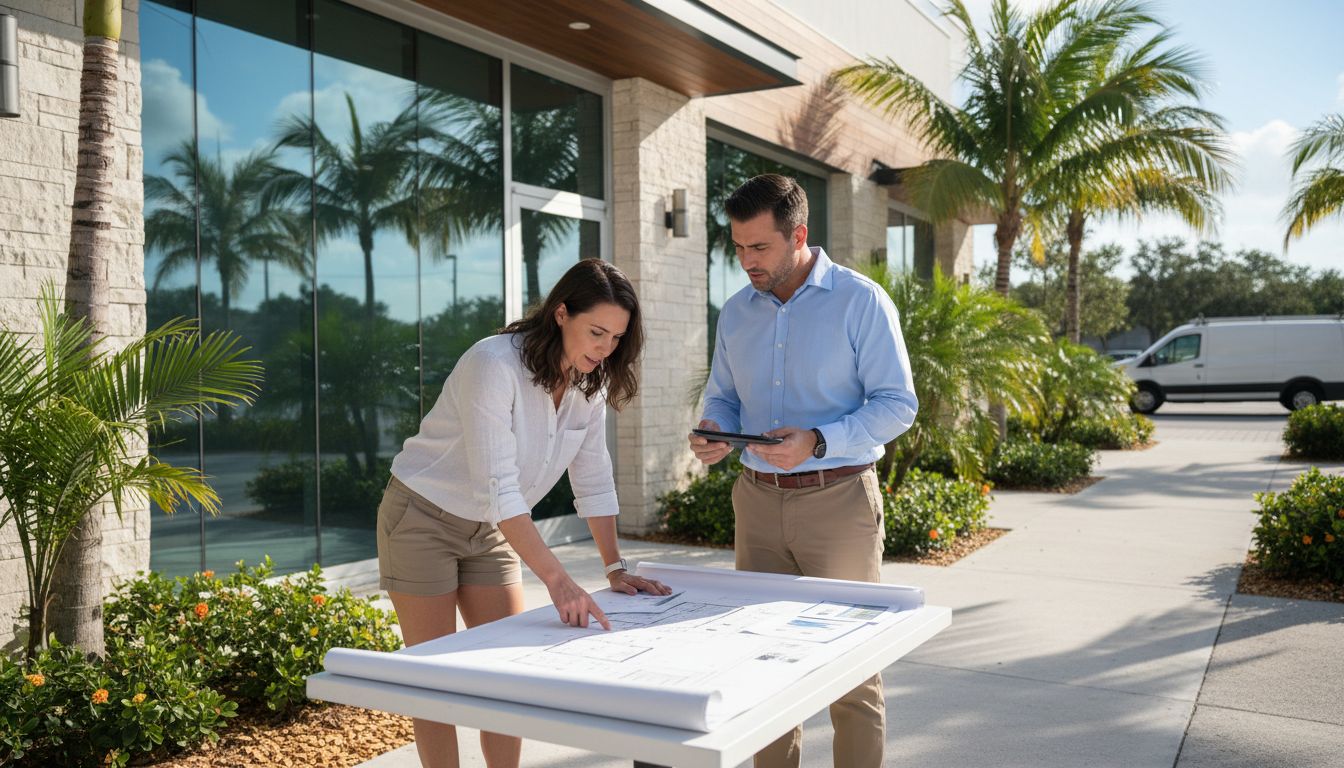
If your business is growing, your lease no longer fits, or you are considering buying, selling, or investing in a commercial property, it may be time to explore a commercial real estate transaction. The right time to seek guidance is before you sign, list, relocate, or make a major financial commitment so you can compare your options clearly.
- Business growth, lease pressure, or changing space needs can signal that a transaction deserves review.
- Buying, selling, leasing, or placing tenants are different decisions with different questions.
- Review property condition, location, financing, operating costs, and timing before committing.
- Local guidance can help you understand South Florida commercial property choices without confusing jargon.
1. Your current space no longer supports the business
A commercial real estate conversation may make sense when your business has outgrown its current location or the property no longer supports daily operations. Warning signs can include not having enough room for employees or customers, limited storage, parking problems, poor access, or a layout that makes work harder.
Start by writing down what is not working and what the business may need next. Include usable square footage, parking, visibility, access for deliveries, customer convenience, nearby businesses, and room for future changes. This list can help you compare relocation, expansion, leasing, or purchasing options more carefully.
2. Your lease is ending or becoming difficult to manage
A lease expiration is one of the clearest reasons to review commercial real estate options. You may need to decide whether to renew, negotiate different terms, move to another property, or consider buying a building instead of continuing to lease.
Review your lease before the deadline approaches. Look for renewal dates, notice requirements, rent changes, operating expenses, maintenance duties, permitted uses, and restrictions on improvements or signage. If the terms are difficult to understand, ask a qualified attorney to explain the legal language. A real estate professional can help you compare property choices and transaction paths.
3. You are considering buying a property for your business
Buying commercial property may be worth exploring when you want greater control over the space, expect to remain in the area, or want to evaluate ownership as part of a broader business plan. It is not automatically the right choice, but it deserves a structured review before you make a decision.
Compare the likely purchase costs with the full cost of leasing. Consider the down payment, financing, insurance, taxes, repairs, utilities, maintenance, renovations, and the effect of tying business funds to real estate. Mortgage and lending-partner coordination may help you organize questions for financing conversations, but loan approval, rates, and terms depend on the lender and your financial situation.
4. You need to sell a commercial property
You may need commercial real estate transaction guidance if you own a property that no longer fits your plans, has become difficult to manage, or could support a different business or investment strategy. Selling is a decision that involves more than choosing a listing price.
Before moving forward, gather property records, lease information, maintenance history, renovation details, operating costs, and any known restrictions. Think about the property's current use, condition, access, surrounding businesses, and likely buyer concerns. Clear information can make it easier to prepare the property and communicate with interested parties.
Because a sale may have legal, tax, and financial effects, consider speaking with the appropriate licensed professionals about those areas. A real estate professional can focus on the property, market position, transaction process, and communication with potential buyers.
5. You are evaluating an investment property
Investment property guidance may be useful when you are considering a retail, office, industrial, mixed-use, or other commercial property for income or long-term ownership. The key question is not simply whether the property looks attractive. You need to understand how the property operates and what risks may affect its performance.
Request and review available information about rent, occupancy, leases, expenses, repairs, maintenance, vacancies, and the condition of major systems. Consider how dependent the property is on one tenant, how long leases remain in place, and whether the current use fits the surrounding area. A real estate professional can help you organize property questions, while your attorney, accountant, and other advisers address legal, tax, and financial matters.
6. You need help finding or placing a tenant
A transaction may be appropriate even when you are not buying or selling. If you own a commercial property and need a tenant, or if your business needs a new space, property leasing and tenant placement can be part of the solution.
Define the practical requirements first: permitted use, size, layout, parking, access, visibility, budget, improvements, and desired occupancy date. Property owners should also prepare accurate information about the space, building rules, operating costs, and available improvements. Clear expectations reduce wasted time and help both sides evaluate whether a property is a workable fit.
7. A renovation or property change may affect your decision
Sometimes the question is whether to renovate, relocate, lease, or buy. If the current property needs significant improvements, compare the cost and disruption of the work with the cost of moving or choosing a different space.
List the changes that are essential for operations and the improvements that are optional. Kitchen, bathroom, living room, and exterior renovation experience may be relevant when evaluating a property or planning improvements, but confirm the property's permitted use, building requirements, and approval process before starting work.
8. You are making a decision without enough local information
Commercial property decisions can be especially location-sensitive. Access, nearby businesses, customer patterns, property condition, leasing demand, and future plans for an area may all affect how a property works for your goals.
If you are considering a transaction in Plantation, Davie, Cooper City, Fort Lauderdale, Hollywood, Dania Beach, Hallandale, Aventura, Sunny Isles, Miami, West Palm Beach, or Boca Raton, local context can help you ask better questions. The goal is not to rush into a deal. It is to understand the available choices and communicate clearly before you commit.
How to decide what kind of help you need
Use these questions to identify the next step:
- Are you trying to buy, sell, lease, place a tenant, or compare several options?
- What problem must the property solve for your business or investment plan?
- What costs, timing limits, property records, or lease terms could affect the decision?
- Which questions require input from a lender, attorney, accountant, contractor, or property manager?
Writing down the answers gives you a useful starting brief for a real estate conversation. It also helps separate the property decision from legal, tax, lending, and investment questions that should be reviewed by the appropriate professionals.
When to call a commercial real estate professional instead
Contact a professional before signing a lease, listing a property, submitting an offer, ordering major improvements, or making a large financial commitment. Early guidance can help you compare commercial real estate transactions, leasing choices, investment properties, and property management needs in a more organized way.
Dgani Group provides commercial real estate transactions, investment property guidance, property leasing and tenant placement, property management, and mortgage and lending-partner coordination across South Florida. Start with a conversation about your property, your goals, and the decision you are trying to make.