
Investment Property Guidance in Plantation: Know This First
Short answer: before you book investment property guidance in Plantation, arrive with a clear goal for the property, an honest picture of your financing, and a short list of questions about what happens after closing. The conversation gets far more useful when you already know whether you want steady rental income, a value-add renovation, or a longer hold - and when you understand that Plantation returns are shaped by property taxes and insurance at least as much as by the purchase price.
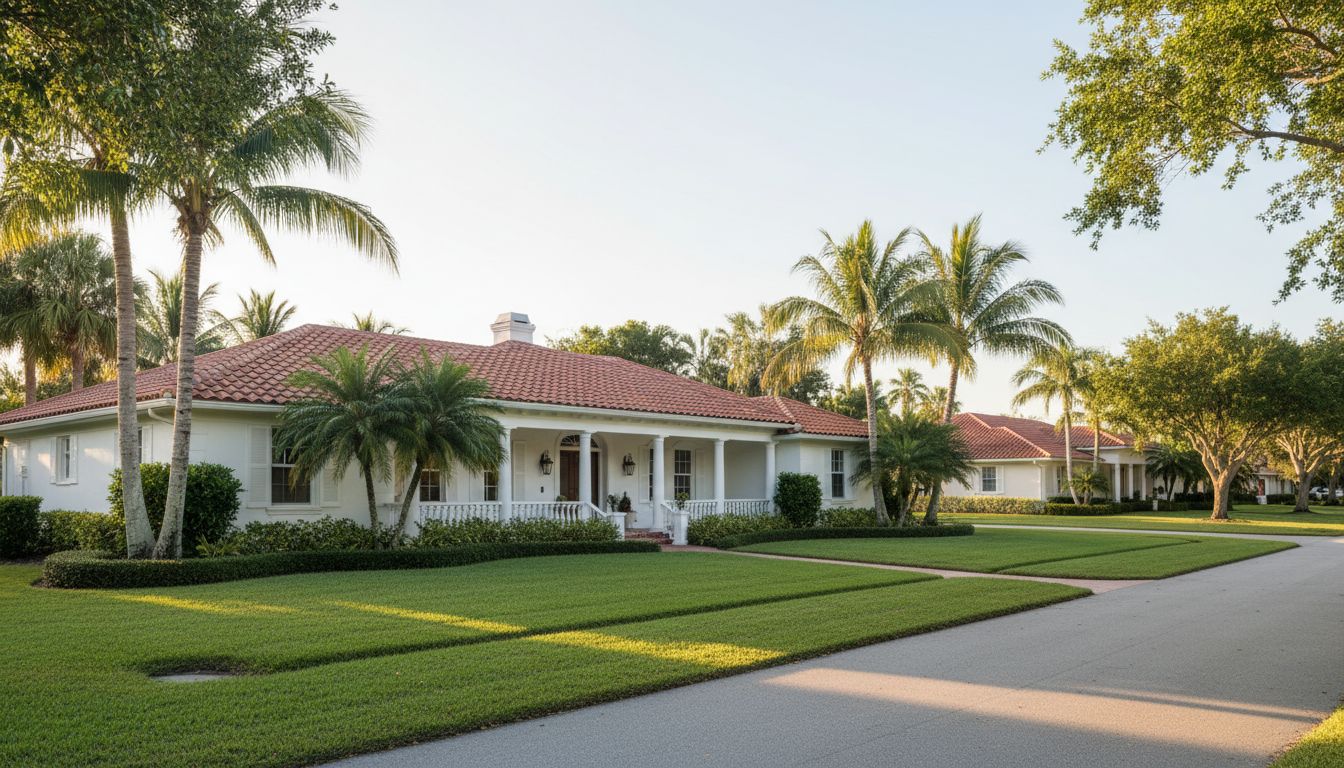
Plantation sits in central-western Broward County, and the housing stock runs from mid-century single-family homes to townhouse communities and condo associations. Areas such as Plantation Acres and Jacaranda differ in lot size and property type, which means two homes a mile apart can carry very different association rules, insurance profiles, and renovation potential. Good guidance starts by matching your goal to the right property type, not by forwarding listings.
- Define your strategy before the first meeting - rental income, value-add, or long hold.
- Never underwrite using the seller's current tax bill; a non-homestead purchase is assessed differently.
- Get an insurance indication early, based on roof age and the exact parcel.
- Ask whether leasing, tenant placement, management, and renovation are available after closing.
- Verify flood zone, association status, and allowed rental use at the parcel level.
Checklist: What to Settle Before You Book
- Decide your strategy first: long-term rental, value-add renovation, or buy-and-hold.
- Know your financing picture - cash, conventional, or an investor loan - before the first call.
- Ask how lending-partner coordination works and what documents you will need.
- Ask whether the same team handles leasing and tenant placement once you close.
- Confirm whether ongoing property management is available and what it covers.
- If your plan is value-add, ask how renovation scope and sequencing are handled.
- Assume property taxes will be recalculated after purchase - do not use the seller's bill.
- Request an insurance quote early, based on roof age and the specific address.
- Check the flood zone for that exact parcel, not the general neighborhood.
- For condos and townhomes, ask about milestone inspection status, reserve studies, and pending special assessments.
- Confirm with the City of Plantation which rental uses and permits apply to the property.
Start With the Strategy, Not the Listing
The single most common reason a first investor meeting goes nowhere is that the goal is still vague. "Something that cash-flows" and "something I can fix and resell" lead to completely different properties, different inspection priorities, and different financing.
Be ready to say roughly how long you intend to hold, how much work you are willing to take on, and whether you want to be involved day to day. If the answer is "as little as possible," that points toward property management and tenant placement being part of the plan from day one, not an afterthought six weeks after closing.
It is also fair to ask who stays involved. A transaction-only relationship ends at the closing table; a local partnership continues through leasing, maintenance, and the next purchase.
Taxes and Insurance Decide Whether the Numbers Work
In Broward County, the tax line on a seller's current bill often reflects protections that do not transfer to a new non-homestead owner. Assessments for non-homestead property work differently, so verify the likely figure with the Broward County Property Appraiser and your own tax professional before you commit to a rent assumption.
Insurance is the second swing factor. Insurers commonly ask about roof age and request a four-point inspection on older homes, and the answer can change your monthly math materially. Ask for an indication early - not after the inspection period is half gone.
Where to Verify the Details
Bring printed or saved answers from these sources to your consultation. They are public, free, and parcel-specific:
- Broward County Property Appraiser - assessed value, exemptions, and sales history.
- FEMA Flood Map Service Center - the flood zone for the exact address.
- City of Plantation - zoning, permit history, and rental-use questions.
- The association, for condos and townhomes - budget, reserves, inspection status, and assessments.
One note on scope: we coordinate with lending partners and professionals, and we do not replace licensed tax, legal, or investment advisors. Nothing here is a guarantee of price, timeline, or loan approval.
Book the Conversation
If you can answer the checklist above, you are ready for a productive first meeting. Tell us your goal, your budget range, and how hands-on you want to be, and we will tell you honestly whether Plantation or another Broward or Miami-Dade market fits it better.
Reach out through dganigroup.com to start the conversation - no pressure, no jargon, just a straight read on the numbers.